
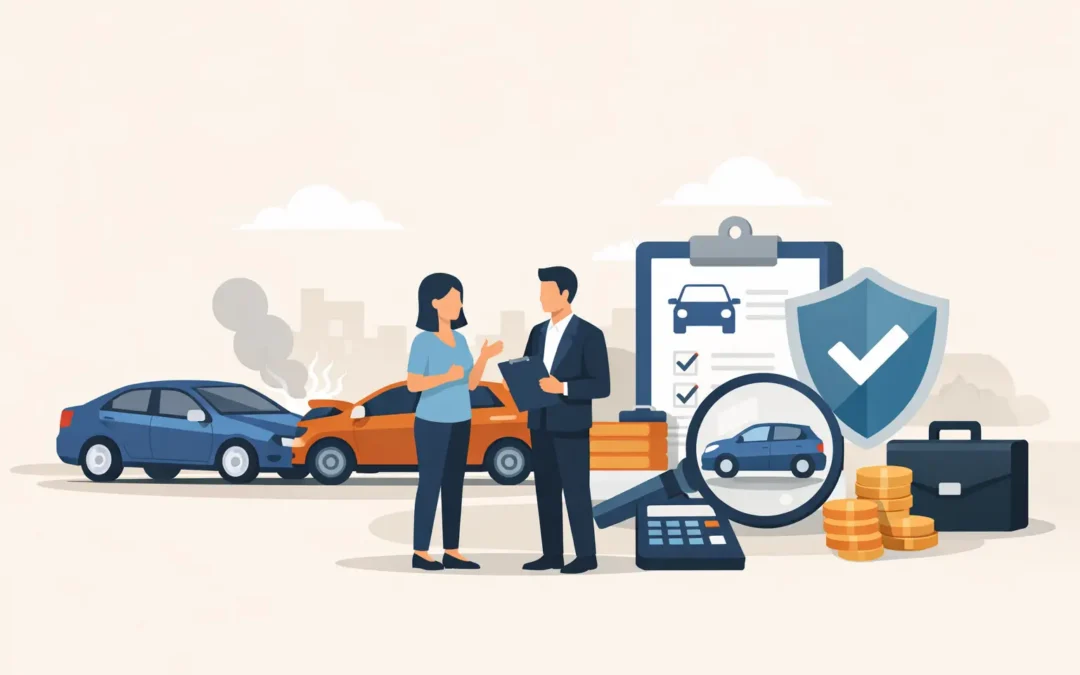
The crash scene is behind you, the claim has been opened, and now the questions tend to change. What to do after an insurance claim accident often comes down to protecting the details that can affect your recovery, your vehicle, and your finances. A few organized steps can help the process move forward without leaving avoidable gaps.
What to Do After an Insurance Claim Accident Is Filed
Start by confirming the basic claim information. Save the claim number, the adjuster’s name and contact information, and the insurer’s preferred way to receive documents. If you reported the loss through your agent or insurer’s online claims process, watch for messages requesting photos, estimates, a police report, or additional statements.
Keep a simple claim file, whether it is a folder on your phone or a paper file at home. Include photos of the damage, the accident report, repair estimates, towing receipts, rental car paperwork, medical bills, and notes from each phone call. Record the date, the person you spoke with, and what was discussed. This is especially useful if the claim changes hands or repairs take longer than expected.
Be accurate and cooperative, but do not guess. If you do not know an answer, say so and offer to follow up after you confirm the facts. Small inconsistencies can slow a claim, while clear documentation gives the adjuster the information needed to evaluate it.
Get Medical Care and Track the Full Impact
Even a low-speed collision can cause injuries that are not obvious on the day of the accident. Seek medical attention promptly if you have pain, dizziness, headaches, numbness, stiffness, or any other concerns. Follow your provider’s treatment plan and keep copies of visit summaries, prescriptions, referrals, and invoices.
Florida drivers should be particularly mindful of timing. Personal injury protection coverage may apply to qualifying injuries, but deadlines and documentation requirements can affect benefits. Your medical provider, insurer, and attorney, if you choose to work with one, can help explain how your specific situation is handled.
Do not treat medical documentation as separate from the insurance claim. It is part of the record of what the accident caused. If symptoms worsen or new treatment is recommended, notify the appropriate claim representative and retain the supporting records.
Move Forward With Repairs Carefully
Your insurer may inspect the vehicle in person, through photographs, or at a repair facility. Ask how the estimate process works before authorizing major work. In many cases, an initial estimate is only the starting point. Once a shop begins disassembly, hidden damage may be found and submitted as a supplement for review.
You may have options when selecting a repair shop, although the process can depend on your carrier and policy. A shop recommended by an insurer may offer convenience, while a shop you already trust may be your preference. The practical question is not only who will perform the repair, but also who will communicate clearly about parts, timelines, supplements, and workmanship.
Before picking up your vehicle, inspect it in good lighting. Check paint match, panel alignment, warning lights, doors, windows, tires, and any features affected by the collision. Take a short drive if appropriate. If something does not look or function correctly, raise the concern with the shop promptly and keep the repair paperwork.
If your vehicle is declared a total loss, request an explanation of the valuation. Review the year, trim, mileage, condition, options, and comparable vehicles used to calculate the settlement. If any information is inaccurate, provide records that support a correction, such as maintenance documentation, recent photos, or evidence of installed equipment. Remember that a loan or lease balance may be higher than the vehicle’s actual cash value. Gap coverage, if you purchased it, can matter in that situation.
Understand Rental Transportation and Other Expenses
A rental vehicle is not automatically included with every auto policy or every claim. Ask the adjuster whether rental reimbursement applies, what the daily and total limits are, and how long the benefit lasts. Coverage may end when repairs are complete, when a total-loss settlement is offered, or when another policy limit is reached.
Choose a rental that fits the approved limit unless you are comfortable paying the difference yourself. Also save receipts for towing, storage, transportation, and other reasonable accident-related expenses. Whether they are covered depends on the policy and circumstances, but it is much harder to request reimbursement later without documentation.
Communicate With Care During the Claim
Expect some back-and-forth. The adjuster may need to verify coverage, review fault information, inspect damage, or obtain records from others involved. Respond within a reasonable time, but ask questions whenever a request is unclear. You should understand what you are providing and why it is being requested.
Be cautious about accepting a final settlement or signing a release before you know the full extent of your losses. This is especially relevant when injuries are still being evaluated or repairs are incomplete. A settlement can resolve part of a claim, such as property damage, without necessarily resolving every issue, but the details matter. Ask the adjuster to explain exactly what the payment covers.
If another driver’s insurer contacts you, keep your own carrier informed. You may have coverage through your policy that helps address immediate needs, even when another party may ultimately be responsible. Coordinating the two claims can take time, and your insurer can explain the role of your coverages and deductible.
When an Accident Affects a Business Vehicle
For Florida business owners, a vehicle accident can interrupt more than a commute. It can delay deliveries, prevent employees from reaching job sites, affect client appointments, or leave essential equipment unavailable. Notify the person responsible for your commercial auto policy as soon as possible and preserve records related to the operational impact.
Document the vehicle’s use, the driver’s assignment, damaged tools or cargo, and any substitute transportation costs. Do not assume business property inside a vehicle is covered the same way as vehicle damage. Commercial auto, inland marine, general liability, workers’ compensation, and businessowners policies can each address different parts of a loss.
If an employee was driving, avoid informal assumptions about responsibility. Gather the facts, maintain required incident records, and follow your company’s reporting procedures. A timely, well-documented report helps protect both the business and the employee involved.
Review Your Policy After the Claim Is Resolved
An accident often reveals coverage details people had not considered before: the deductible, rental reimbursement limit, roadside assistance, uninsured motorist coverage, medical payments coverage, or the gap between a vehicle’s value and its loan balance. Once the immediate claim is stable, review what worked and what felt insufficient.
This does not always mean increasing every limit. Higher coverage can raise premiums, and the right choice depends on your assets, vehicle, household, and comfort with out-of-pocket risk. But it is a good time to make sure the policy reflects reality. A new driver, a paid-off vehicle, a changed commute, business use, or added safety equipment can all affect your coverage needs.
An independent agency such as Lane Insurance Group can help you review those choices across available carriers and policy options. The goal is not simply to react to one accident, but to make the next insurance decision with a clearer view of the risks you carry.
A claim can feel like a long administrative task after an already stressful event. Staying organized, asking direct questions, and giving yourself time to evaluate repairs, treatment, and settlement terms can help you regain control one step at a time.