
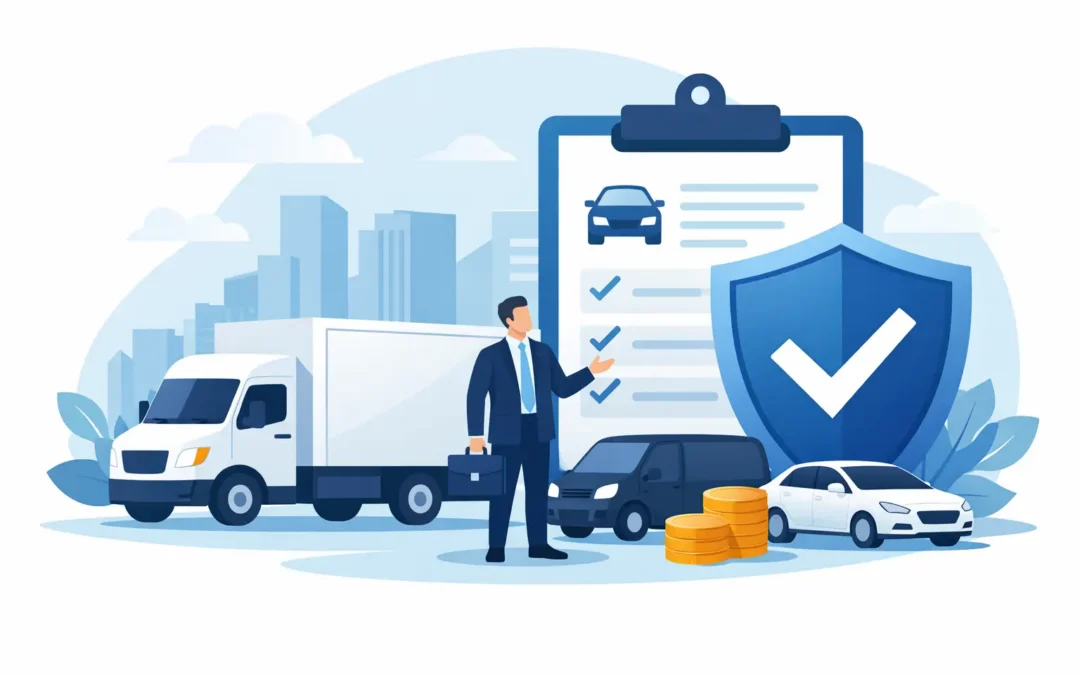
A work truck backs into a customer’s fence. A sales employee rear-ends another car on the way to an appointment. A van full of tools is stolen overnight. For many business owners, those situations are not far-fetched – they are exactly why a commercial auto insurance guide matters.
If your business owns, leases, or regularly uses vehicles for work, personal auto coverage usually is not enough. Commercial auto insurance is designed for business use, higher liability exposure, and the realities of running vehicles as part of daily operations. The right policy can help protect your business from repair bills, medical costs, lawsuits, and downtime after an accident.
What commercial auto insurance actually covers
Commercial auto insurance is built for vehicles used in business operations. That can include company cars, pickup trucks, vans, box trucks, and specialty vehicles. In many cases, it can also apply to hired, leased, or employee-used vehicles depending on how the policy is structured.
At the core, most policies include liability coverage. This helps pay for bodily injury or property damage your business causes to someone else in an accident. For many companies, liability is the foundation of the policy because a serious crash can lead to costly claims that go well beyond vehicle repairs.
Physical damage coverage is another major piece. Collision helps pay to repair or replace your insured vehicle after an accident, while comprehensive helps with non-collision losses such as theft, vandalism, fire, or certain weather-related damage. If your business depends on vehicles to stay on schedule, this coverage can be just as important as liability.
Depending on the state and the policy, you may also see uninsured or underinsured motorist coverage, medical payments, and personal injury protection. These coverages vary in how they apply, and Florida business owners should pay close attention to how state requirements and policy options work together.
Who needs a commercial auto insurance guide most
Some businesses know immediately that they need commercial auto coverage. A contractor with three work trucks, for example, is clearly operating business vehicles. But many companies fall into a gray area and assume their personal auto policy will respond when it may not.
If your business owns a vehicle titled in the company name, you likely need commercial auto insurance. If employees drive company vehicles, that is another clear sign. The same is true if you transport tools, products, equipment, or clients as part of your operations.
Even a single vehicle can create significant exposure. Real estate professionals, landscapers, electricians, plumbers, caterers, delivery services, and cleaning companies often rely on one or two vehicles, not a large fleet. That does not reduce the need for proper coverage. In fact, smaller businesses can feel the financial impact of one uninsured loss even more sharply.
There are also situations where your business does not own the vehicle, but still has risk. If employees use personal cars for work errands, or if you rent vehicles for business purposes, your insurance advisor may recommend hired and non-owned auto coverage. This is where a tailored policy matters more than a one-size-fits-all answer.
A commercial auto insurance guide to key coverage choices
Choosing limits and endorsements is where many business owners either protect themselves well or leave avoidable gaps. The policy should reflect how your vehicles are actually used, who drives them, and what a serious claim could cost.
Liability limits
State minimums may satisfy legal requirements, but they often do not reflect real business risk. If one of your drivers causes a major accident, medical bills, legal expenses, and property damage can add up quickly. Higher liability limits generally mean higher premiums, but they may provide far better protection for your business assets.
Collision and comprehensive
If a vehicle is financed or leased, these coverages may be required. Even when they are optional, they can be worth carrying if replacing a damaged or stolen vehicle would strain cash flow. On the other hand, an older vehicle with low value may not justify the added premium. This is one of those areas where it depends on the vehicle’s condition, value, and role in your business.
Hired and non-owned auto
This coverage is often overlooked. It can help protect your business when rented vehicles or employee-owned cars are used for work. It does not replace the driver’s own policy, but it can provide important liability protection for the business itself.
Uninsured and underinsured motorist coverage
Not every driver on the road carries enough insurance. If your business vehicle is hit by someone with little or no coverage, this protection can help cover injuries and related costs. In a busy state like Florida, that added layer can make a meaningful difference.
Equipment and cargo considerations
Commercial auto policies do not automatically cover every tool, trailer, or item inside a vehicle. If your business transports expensive equipment or materials, you may need additional coverage through inland marine, trailer coverage, or another policy form. That is a common gap for contractors and service businesses.
What affects the cost of coverage
Premiums are based on more than just the type of vehicle. Insurers look at the full picture of how your business operates.
Vehicle type matters because a heavier truck, cargo van, or specialty unit can cost more to repair and may create greater liability exposure. Driver history also matters. A clean driving record can help, while accidents, violations, or inexperienced drivers may increase rates.
Your industry plays a role too. A florist making local deliveries may be rated differently than a contractor hauling equipment to job sites. Annual mileage, service area, vehicle storage, and claims history all affect pricing. Policy limits and deductibles also shape the final cost.
This is where working with an independent agency can help. Comparing carrier options may reveal differences in pricing, underwriting, and coverage features that are not obvious at first glance. A lower premium is not always the better value if it comes with narrower protection.
Common mistakes business owners make
One common mistake is assuming a personal auto policy covers business use. Some incidental business use may be allowed under personal coverage, but many work-related exposures are excluded or limited. Relying on assumptions can become expensive after a claim.
Another mistake is insuring the vehicle but not thinking carefully about the drivers. If your business has multiple employees behind the wheel, the policy should reflect that reality. Driver screening, motor vehicle record checks, and clear vehicle-use policies can also help reduce losses over time.
Business owners also sometimes focus only on the vehicle itself and forget the larger liability picture. The real financial damage from an accident often comes from injuries, not body work. Choosing limits based only on the cheapest option can leave a business exposed.
Finally, many companies do not revisit coverage as they grow. One extra van, one new employee, or one expansion into a wider service area can change your risk profile more than you might expect.
How to choose the right policy for your business
Start with how your vehicles are used day to day. Are they making deliveries, carrying tools, transporting employees, or visiting customer locations? Are the vehicles owned by the business, leased, or personally owned by employees? The answers shape the policy structure.
Next, think about what a disruption would cost. If a vehicle is out of service for a week, can you keep operating without missing revenue? If the answer is no, physical damage coverage, rental reimbursement, or other optional protections may be worth considering.
Then look at the bigger insurance picture. Commercial auto should fit with your general liability, workers’ compensation, and umbrella coverage if you have them. Policies work better when they are coordinated, not purchased in isolation.
For Florida business owners, local guidance matters. Weather, traffic patterns, uninsured drivers, and the industries common in this market all influence what practical protection looks like. An agency such as Lane Insurance Group can help business owners compare options from multiple carriers and match coverage to real operations instead of guessing based on a generic quote.
When to review your commercial auto coverage
Your policy should not stay on autopilot. Review it when you buy or sell a vehicle, hire a new driver, change locations, expand service territory, or start using vehicles in a new way. These changes may seem small operationally, but they can affect how a claim is handled.
An annual review is also a good habit, even if nothing dramatic has changed. Rates, carrier appetite, and business exposures all shift over time. A quick review can confirm that your limits still make sense and that you are not paying for the wrong coverage or missing an important one.
Commercial auto insurance is not just about checking a box so your vehicles can get on the road. It is part of protecting the work you have built, the people who drive for you, and the customers you serve. The best policy is the one that fits the way your business actually operates – and still holds up when a normal workday suddenly goes sideways.