
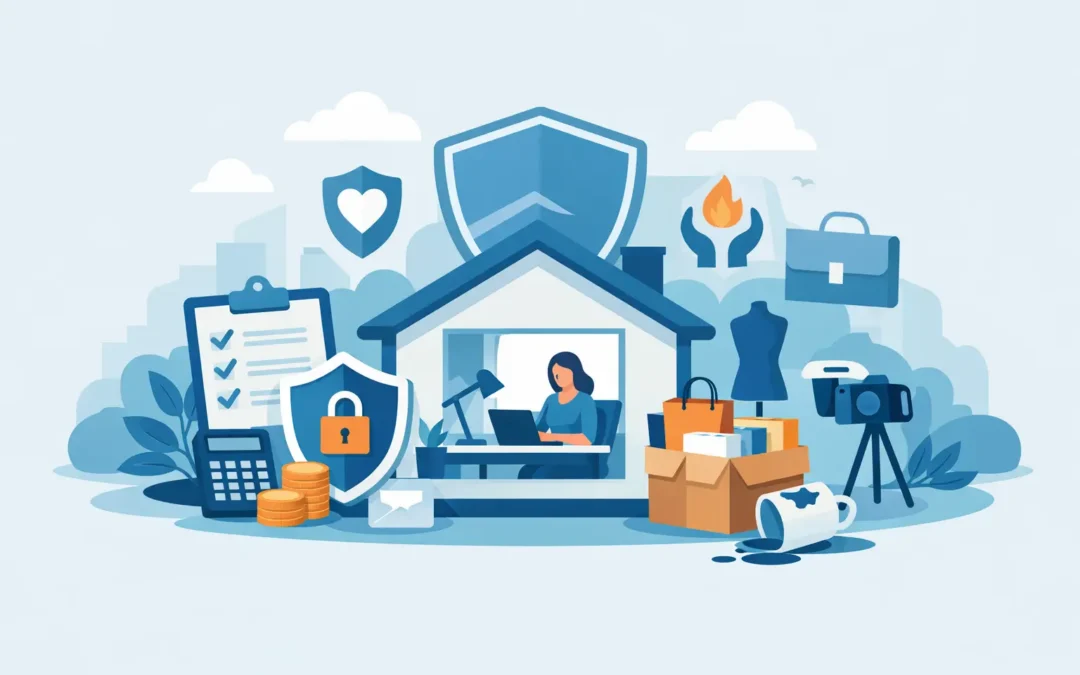
A home-based business can look modest from the street while carrying very real financial risk. A bookkeeper may store sensitive client records, a baker may keep inventory and equipment in the kitchen, and a contractor may use a home office as the base for a growing operation. The best insurance for home based businesses starts with recognizing that a standard homeowners policy is not designed to protect every business activity taking place under your roof.
For Florida business owners, the right coverage depends on what you do, what property you own, whether customers visit your home, and how a loss could interrupt your income. The goal is not to buy every policy available. It is to build protection around the risks that could genuinely affect your business, household, and future plans.
Why homeowners insurance may not be enough
Homeowners insurance is valuable protection for your residence and personal belongings, but it often places strict limits on business property kept at home. It may also exclude or limit liability claims connected to business activity. If a client trips on your walkway during an appointment, damages are caused by a product you sell, or costly equipment is stolen from your home office, your personal policy may not provide the coverage you expect.
The details matter. Some home policies offer limited coverage for certain business equipment, while others may allow a small endorsement for an office-based business with little client traffic. Those options can be helpful for low-risk operations, but they are not a substitute for commercial insurance when your business has inventory, employees, equipment, regular deliveries, or face-to-face customers.
A clear conversation about your business activities can prevent a difficult surprise after a claim. Being home-based does not make a business risk-free, and reporting the business accurately is essential.
Best insurance for home based businesses: Start with your risks
The best policy structure is different for a freelance graphic designer than it is for a home daycare operator, online retailer, or mobile service business. Before selecting coverage, consider the property you rely on, the people you serve, and the promises you make through your work.
General liability for customer and third-party claims
General liability insurance is often a foundation of business protection. It can respond to covered claims involving bodily injury, property damage, and certain personal or advertising injuries. This coverage may be especially important if clients, vendors, delivery drivers, or other visitors come to your property.
For example, a customer could slip near your entrance, or a technician could accidentally damage a client’s property while providing an off-site service. General liability can help with legal defense and covered damages, subject to policy terms and limits. It does not replace safe business practices, but it can protect against the financial impact of an unexpected allegation or accident.
Business personal property for equipment and inventory
Computers, specialized tools, cameras, printers, stock, supplies, and furniture can add up quickly. Business personal property coverage helps protect items your business owns against covered causes of loss, such as theft or fire. The right limit should reflect replacement cost, not simply what you originally paid years ago.
Be precise about where property travels. If you take equipment to client locations, markets, or job sites, you may need coverage that applies away from your home. A policy designed only for property at your residence may leave a gap when your work takes you elsewhere.
Professional liability for advice and services
If your work involves advice, design, consulting, financial services, technology, or other professional expertise, general liability alone may not address a claim that your service caused a client financial loss. Professional liability, sometimes called errors and omissions coverage, is designed for allegations of mistakes, missed deadlines, negligent work, or inaccurate professional advice.
This is a common consideration for consultants, real estate professionals, accountants, web developers, marketing professionals, and other service providers. Even when a claim is unfounded, defense costs can be significant.
Product liability for makers and sellers
Selling physical products creates a different set of concerns. A handmade candle, beauty product, food item, craft kit, or imported item can lead to a claim if someone alleges it caused injury or property damage. Product liability protection is commonly included within a general liability policy, but the products you sell and how they are made can affect eligibility and pricing.
Home-based food businesses deserve particular attention. Licensing requirements, food preparation methods, deliveries, and the types of products sold all affect the risk. Be candid about your operations so coverage can be placed correctly.
Commercial auto for business driving
Many entrepreneurs use a personal vehicle for occasional business errands. However, regular deliveries, transporting tools or inventory, carrying passengers for work, or using a vehicle titled to the business may require commercial auto insurance. Personal auto policies often have restrictions involving business use, particularly delivery activity.
The decision depends on how the vehicle is used, not just where the business is based. A home office can still create substantial driving exposure.
When a business owners policy makes sense
For many eligible small businesses, a business owners policy, often called a BOP, combines general liability and business property coverage in one package. It can be a practical choice for a home-based operation with equipment, inventory, and a need for liability protection.
A BOP may also offer business income coverage. If a covered loss damages the property or equipment you need to operate and forces a temporary shutdown, this coverage can help replace lost income and pay certain ongoing expenses. Coverage is tied to the policy terms and the cause of loss, so it should be reviewed carefully rather than assumed.
A BOP is not right for every business. Higher-risk operations, businesses with more complex professional exposures, or companies with significant customer traffic may need a standalone commercial package or additional policies. The value of an independent insurance agency is the ability to compare coverage approaches and identify the gaps a one-size-fits-all package may leave behind.
Important Florida considerations
Florida business owners need to think beyond the four walls of a home office. Storm-related damage, power outages, water intrusion, and evacuation can affect both your home and your ability to serve customers. Your business property may be located inside the home, but coverage for the residence and coverage for business equipment are not always handled the same way.
If your business depends on refrigeration, electronics, internet access, or a specialized workspace, ask how a covered property loss could affect operations. Backing up digital files, documenting equipment, and maintaining an updated inventory can make a major difference if you need to file a claim.
Cyber liability is another growing concern for businesses that collect customer names, payment information, addresses, or other private data. A phishing email, compromised password, or lost laptop can create expenses beyond replacing a device. Cyber coverage may help with certain notification costs, data recovery, response services, and liability claims, depending on the policy.
How to choose coverage without overinsuring
Start with an honest picture of your operations. Make a list of business equipment and inventory, estimate annual revenue, identify whether customers visit your home, and note any contracts that require insurance. If you work with larger clients, they may request a certificate of insurance and specific liability limits before hiring you.
Then consider the loss that would be hardest for your business to absorb. For one owner, it may be a lawsuit after a visitor is injured. For another, it may be theft of expensive equipment or a professional error claim. This exercise helps determine which coverage deserves priority.
Price matters, but the lowest premium is not always the best value. Pay attention to policy limits, deductibles, exclusions, covered locations, and whether the policy includes the activities that actually generate your income. A policy that does not cover your primary service, product, or equipment can cost far more than it saves.
It is also wise to review coverage as the business changes. Hiring your first employee, moving inventory into a garage, adding a delivery vehicle, opening an online store, or welcoming clients into a dedicated home office can all change your insurance needs. Workers’ compensation requirements and employment-related exposures may also come into play as your team grows.
A home-based business deserves the same thoughtful protection as any other business. Lane Insurance Group can help Florida business owners review their operations, compare available options, and build coverage that supports the work they have worked hard to create. The right conversation now can help you keep serving customers when the unexpected happens.